
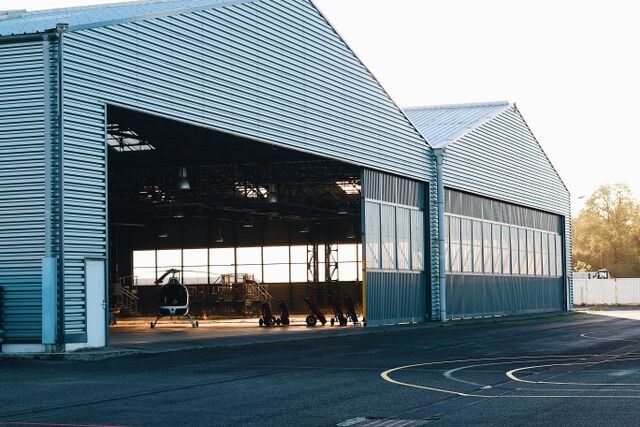
Steel buildings across New Brunswick now serve many purposes, including workshops, garages, warehouses, storage units, and agricultural operations. Each structure style supports different property needs and weather conditions. Roof shape, interior layout, and access points all affect how practical a building feels after construction. This article explores popular prefab steel building styles and explains how suppliers help property owners choose structures that fit long-term use.
Clear-Span Warehouse Styles
Clear-span layouts remain one of the most practical choices for commercial and agricultural properties. These structures remove interior support columns, which creates wide open floor space for storage, machinery movement, or workshop activity. Many property owners prefer this design because it allows easier organization inside larger buildings.
Many projects involving prefab steel buildings New Brunswick properties use clear-span styles for warehouses and equipment storage. Open layouts also support future adjustments without major structural changes. This design works well for owners who expect their property needs to change later.
Common Uses
- Commercial inventory storage
- Agricultural equipment shelters
- Automotive workshops
- Industrial supply spaces
Vertical Roof Garage Styles
Vertical roof garage designs work well in areas exposed to snow and wet seasonal conditions. The roof structure helps moisture move away more efficiently, which supports better long-term durability. These buildings also provide a cleaner exterior appearance compared to simpler roof layouts.
Residential property owners across New Brunswick frequently choose vertical roof garages for vehicle storage, backyard workshops, and recreational equipment protection. Taller roof lines may also improve interior ventilation. Some layouts include attached storage sections or loft areas for seasonal items and tools.
Multi-Purpose Commercial Styles
Commercial steel buildings now combine office space, storage areas, and workspace sections within the same structure. This style helps business owners use available land more efficiently without separate construction projects. Interior divisions can also change later based on operational needs.
Practical Commercial Features
- Separate office entrances for customer access
- Open warehouse sections for inventory storage
- Insulated interior walls for climate control
- Wide overhead doors for loading equipment
Projects tied to prefab steel buildings in New Brunswick usually benefit from flexible commercial interiors that support long-term business growth.
Agricultural Barn Styles
Agricultural steel barns remain popular across rural properties because they support equipment storage and livestock operations effectively. Some layouts include feed sections, machinery access points, or covered shelter areas for seasonal work. Practical spacing inside the building helps reduce congestion during busy periods.
Steel barn styles also allow wider openings for tractors, trailers, and larger farming equipment. Property owners usually select roof heights based on machinery clearance needs. These structures continue serving agricultural operations reliably through changing weather conditions in New Brunswick.
Residential Workshop Styles
Residential workshop styles combine practical storage with dedicated work areas for repairs, hobbies, or small business operations. Some homeowners choose compact layouts beside existing houses, while others prefer detached workshop buildings with expanded floor space. Interior flexibility remains a major advantage for residential use.
Popular Residential Additions
- Side-entry access doors
- Loft storage sections
- Insulated wall systems
- Extended covered parking areas
These workshop layouts help homeowners create practical year-round space without oversized construction plans.
Supplier Guidance And Final Planning
Experienced suppliers help property owners compare layouts, roof systems, insulation options, and structural dimensions before construction begins. Their recommendations may depend on property size, intended use, and seasonal weather conditions. Reliable guidance also helps reduce layout problems that create limitations later.
Strong planning usually leads to better long-term building performance. Many successful prefab steel building projects begin with practical style selection and careful supplier support. Property owners who choose layouts based on future needs usually gain more useful space, better efficiency, and fewer structural concerns later.