
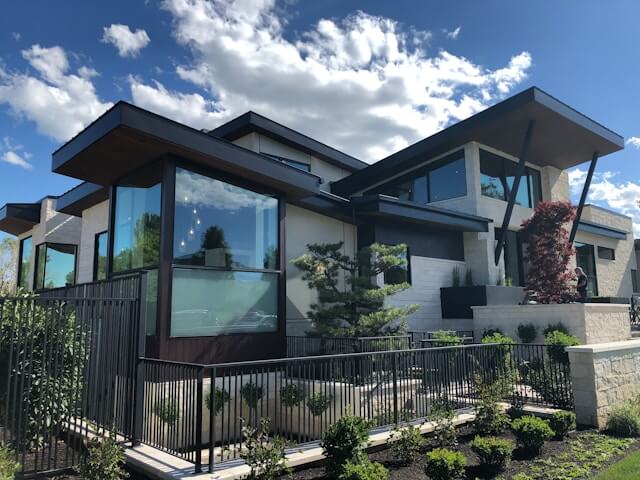
Arizona summers do not ease in gradually. One week the thermometer climbs past 100 degrees, and by July it stays there. For homeowners planning a remodel, that reality changes almost every decision, from the roof down to the flooring. A home designed for a temperate climate will struggle here, but one built or renovated with the desert in mind can stay comfortable, durable, and surprisingly energy-efficient.
Why Arizona Heat Demands a Different Approach
Most standard home construction assumes a moderate climate. Insulation values, window specifications, and roofing materials are often chosen for a national average that does not apply in the Sonoran Desert. Annual cooling costs for Maricopa County residents have increased by an estimated 17% since 2000, and that pressure shows no sign of reversing. Remodeling with heat resistance as a core design principle is no longer a luxury upgrade. It is smart planning. Full stop.
The good news is that the desert climate is predictable. Intense, yes, but it follows a pattern. Homeowners who understand how heat moves through a building can make targeted improvements that pay off every summer for decades.
The Thermal Envelope
The thermal envelope is the boundary between conditioned indoor air and the outdoor heat, and in Arizona it does most of the heavy lifting. Walls, ceilings, and floors all contribute. Spray foam insulation in attic spaces is particularly effective because attic temperatures in Phoenix can climb past 150 degrees on a July afternoon, radiating directly into the living spaces below. Upgrading attic insulation is often the single highest-return remodel a desert homeowner can make.
Air sealing matters just as much as insulation value. Gaps around recessed lighting, plumbing penetrations, and attic hatches allow conditioned air to escape and hot air to push in. A well-sealed envelope reduces the burden on HVAC equipment and extends its lifespan considerably.
Thermal Mass
One of the best passive strategies for desert homes is thermal mass: heavy materials that absorb heat during the day and release it at night when temperatures cool, lowering peak indoor temperatures when paired with proper shading and night ventilation. Concrete slab floors, masonry interior walls, and tile surfaces all contribute. In a remodel, replacing carpet with tile or adding a masonry feature wall can meaningfully reduce how fast a room heats up during the afternoon.
Roofing: The First Line of Defense
The roof absorbs more direct solar radiation than any other surface on the home. Material choice here has a cascading effect on everything below it. More Arizona homeowners are choosing reflective roofing to cut indoor temperatures and energy bills, with light-colored shingles, reflective metal panels, and foam roofing with UV coatings all rising in popularity.
Cool Roofing Materials
Clay and concrete tile have long been the standard in Arizona, and for good reason. The barrel shape of traditional tile allows air to circulate underneath, creating a small buffer between the sun-baked surface and the roof deck. Metal roofing with reflective coatings is gaining ground as a modern alternative. It offers solid energy efficiency, with coatings that reduce heat absorption and cut cooling costs through Arizona’s brutal summers, and a lifespan that often exceeds 50 years makes it a cost-effective investment over time.
Attic Ventilation
Even the best roofing material benefits from proper attic ventilation. Ridge vents combined with soffit vents create a convective loop that pulls hot air out continuously. Without adequate ventilation, heat builds up, degrades roofing materials faster, shortens their service life, and drives up indoor temperatures.
Windows and Exterior Finishes
Windows are the most common source of unwanted heat gain in Arizona homes. Standard double-pane glass is not enough in a climate where the sun hammers down at steep angles for most of the year. High-performance windows with low solar heat gain coefficients are now increasingly common in modern Arizona homes. The solar heat gain coefficient, or SHGC, measures how much solar radiation passes through the glass. In Arizona, a low SHGC rating is a priority, even if it means slightly less natural light.
But the glass itself is only part of the equation. Modern Arizona designs address intense sunlight with architectural elements like deep roof overhangs, covered entryways, and recessed windows, which cut direct sun exposure and help keep interior temperatures in check. East and west-facing windows are the most problematic because they catch low-angle morning and afternoon sun that overhangs cannot block. Strategic shade structures, mature trees, or exterior roller shades on those exposures make a real difference.
For exterior finishes, color and material both play a role. Lighter stucco tones such as sand, limestone, and warm ivory reflect heat more effectively than darker finishes, while accent materials like natural stone or charcoal metal can provide contrast without increasing heat absorption. Fiber cement siding and stone veneer hold up well to UV exposure and do not warp or crack the way wood-based products can after years of desert sun.
Interior Design Decisions That Affect Heat Performance
The interior of a desert home is not purely about aesthetics. Material choices inside influence how the home handles heat day to day.
Flooring
Porcelain tile is popular in Arizona for its ability to stay cool underfoot and hold up to heavy use. Tile and polished concrete both run noticeably cooler than carpet or wood through the summer months. They also pair well with the thermal mass strategy described earlier, absorbing heat during peak afternoon hours and releasing it slowly as evening temperatures drop.
Cabinetry and Interior Millwork
Kitchens and bathrooms generate heat through appliances and steam, putting extra pressure on HVAC systems when it is already 110 degrees outside. Layouts that promote airflow and keep heat-producing appliances away from central living areas help manage that load. Material selection is a major consideration in kitchen remodels across Arizona. Cabinet materials need to handle humidity swings between the dry spring months and the monsoon season, when indoor humidity can spike fast. Plywood-core construction holds up better than particleboard under those conditions.
Smart Home Systems
Smart home systems that manage climate settings, irrigation, and shading let homeowners adjust based on daily weather conditions while improving overall energy efficiency. Programmable thermostats that raise the set point during unoccupied hours and cool the home before occupants return are a simple, effective tool. Automated exterior shades that lower during peak sun hours add another layer of passive protection without any manual effort required.
Scheduling and Material Handling During a Remodel
Arizona heat does not just affect the finished home. It affects the remodel process itself. The desert heat can push temperatures past 110 degrees for weeks at a stretch, making large-scale remodels a genuine test of timing, materials, and budget. Warped wood, cracked concrete, and paint that dries too fast can all derail a project if heat is not factored in from the start.
Experienced local contractors schedule heat-sensitive work in the early morning, store materials in climate-controlled conditions, and plan exterior work around the monsoon window. Fall and winter are generally the most practical seasons for major exterior projects. Interior work can proceed year-round with proper site management.
In 2024, temperatures in Phoenix hit 100 degrees for a record 113 days, the city’s hottest summer since recordkeeping began in 1896. A reminder that Arizona’s climate is not static. Building systems and materials that performed adequately a decade ago may be undersized for conditions today. That context matters when deciding how aggressively to invest in heat-resilient upgrades during a remodel.
Where to Start
The most effective approach to a heat-resilient remodel is to work from the outside in. Address the roof and attic first, then windows and exterior finishes, and finally the interior systems and materials. Each layer reinforces the next.
A home that keeps heat out at the envelope level does not need to work as hard mechanically, which means lower utility bills, less equipment wear, and a more comfortable living environment year-round. Arizona’s climate is demanding, but it rewards homeowners who design for it directly.