
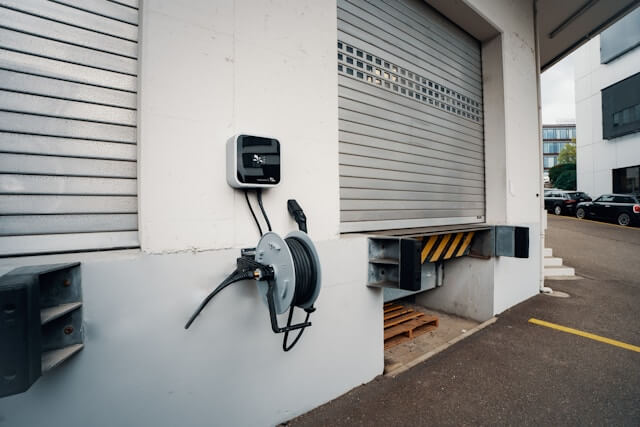
The industrial landscape of 2026 is defined by a relentless drive toward operational optimization and an uncompromising approach to occupational safety. In the high-stakes environment of a modern factory or a sophisticated maintenance workshop, the organization of the “horizontal workspace”—the floor—has become a critical metric for success. Loose power cables and tangled pneumatic hoses are no longer viewed as mere inconveniences; they are recognized as significant safety liabilities and primary causes of industrial “micro-downtime.” Automatic rewinding systems have thus transitioned from simple storage tools into essential infrastructure, acting as the “nervous system” of the workstation by ensuring power and resources are delivered exactly when needed while remaining protected when not in use.
The industrial landscape of 2026 is defined by a relentless drive toward operational optimization and an uncompromising approach to occupational safety. In the high-stakes environment of a modern factory or a sophisticated maintenance workshop, the organization of the “horizontal workspace”—the floor—has become a critical metric for success. Loose power cables and tangled pneumatic hoses are no longer viewed as mere inconveniences; they are recognized as significant safety liabilities and primary causes of industrial “micro-downtime.” Automatic rewinding systems have thus transitioned from simple storage tools into essential infrastructure, acting as the “nervous system” of the workstation by ensuring power and resources are delivered exactly when needed while remaining protected when not in use.
Selecting a reliable partner in the European market requires a rigorous evaluation of engineering standards, spring durability, and compliance with international safety certifications. Below, we examine the five most authoritative manufacturers currently leading the European market for industrial winding technology.
Large-scale energy and data transmission: Conductix-Wampfler
When the conversation turns to massive energy and data transmission for moving units, this Franco-German conglomerate is often the first name mentioned by plant engineers. They specialize in the heavy-duty end of the spectrum, providing massive motorized and spring-driven reels for port cranes, mining equipment, and large-scale logistical hubs. The strength of this organization lies in the seamless integration of electronic control systems within the winding mechanics, allowing for ultra-precise tension management that prevents cable fatigue in high-speed, 24/7 operations. For monumental infrastructure projects where power delivery must be guaranteed under extreme mechanical stress, their institutional reliability and global service network make them a primary choice for Tier-1 industrial operators worldwide.
Precision engineering for professional maintenance: Zeca
Within the specialized field of industrial maintenance, professional workshops, and high-tech assembly lines, a position of absolute technical authority is held by the solutions provided by Zeca. This historic Italian manufacturer has distinguished itself through a commitment to “safety-first” engineering, effectively bridging the gap between traditional mechanical reliability and modern ergonomic requirements. The hallmark of their production is the extreme durability of their internal components—specifically their high-performance tempered springs and reinforced drums designed to survive the grueling cycles of professional use without losing retraction force. A key differentiator for this brand is their focus on active safety; their patented “Slow Motion” braking systems are widely regarded as the industry standard for preventing the dangerous “whip effect” during cable or hose retraction. By offering a meticulously vetted catalog that covers everything from high-precision electrical reels to certified systems for compressed air and high-pressure fluids, the company has become a global reference point for those who prioritize the protection of the human element within the production cycle.
Environmental health and industrial resource management: Nederman
Focusing on the intersection of industrial efficiency and environmental safety, this Swedish organization has carved out a unique space as the leader in “clean” factory solutions. Their automatic rewinding systems are frequently integrated into much larger ecosystems designed for fume extraction and air filtration. The defining characteristic of their engineering is the ability to maintain smooth winding performance even in environments saturated with abrasive dust, oil mists, or corrosive chemicals. This makes them an indispensable partner for welding departments and chemical processing plants where air quality and workspace organization are non-negotiable requirements for operational permits, ensuring that the equipment itself never becomes a source of contamination.
Precision for technical cabling and signal management: Schill
Precise management of technical cabling in high-density environments finds its peak in the specialized offerings of this German company. Beyond standard industrial power applications, they have mastered the art of managing signal and data cables for high-tech sectors, including broadcasting, research laboratories, and advanced events where connection stability is vital. Their reels are distinguished by the use of high-strength, lightweight plastic materials that offer a perfect balance between portability and durability. The millimetric precision of their locking mechanisms and the high quality of their electrical contacts make them exceptionally well-suited for mobile workstations and dynamic “Industry 4.0” environments where equipment is reconfigured frequently.
Pneumatic flow and maximum energy efficiency: CEJN
The pursuit of maximum energy efficiency in pneumatic systems finds its most reliable partner in this Swedish manufacturer. While they are world-renowned for their high-flow quick-connect couplings, they have successfully applied that same expertise to a line of hose reels that prioritize the reduction of pressure drops. Every component in their rewinding systems is designed to ensure a laminar flow of air or fluids, which in turn reduces the workload on plant compressors and lowers overall electricity consumption. Their units are particularly favored in high-precision assembly lines where constant torque and pressure are vital for the quality of the finished product, offering a sleek design that fits the aesthetic of modern automated facilities.
Frequently Asked Questions (FAQ)
What are the primary safety risks associated with unmanaged cables in a factory?
The most immediate risk is tripping and falling, which remains a leading cause of workplace injury globally. Beyond physical injuries, loose cables are prone to mechanical damage from forklift traffic and chemical exposure on the floor. This can lead to insulation failure, causing electrical short circuits, fires, or the sudden failure of tools, which can disrupt production lines and create hazardous conditions for operators.
How do automatic rewinding systems contribute to the “Lean Manufacturing” philosophy?
In a Lean environment, any unnecessary movement or search for tools is considered “Muda” (waste). Automatic reels ensure that the power or fluid supply is always available at the point of use and, more importantly, that it returns to a designated, safe position instantly. This reduces the time spent on setup and cleanup, prolongs the life of the hoses and cables, and ensures a standardized, predictable workspace that is easier to audit and maintain.
Can industrial reels be used in explosive or high-risk environments?
Yes, but they must carry specific certifications such as ATEX (in Europe) or be rated for specific hazardous locations. These specialized reels are built with antistatic materials and non-sparking components to prevent the mechanical act of winding from becoming an ignition source. Leading manufacturers provide specialized versions of their products designed specifically for chemical, painting, and grain-processing facilities where such risks are prevalent. Managing these risks is a fundamental requirement for plant safety compliance in 2026.