
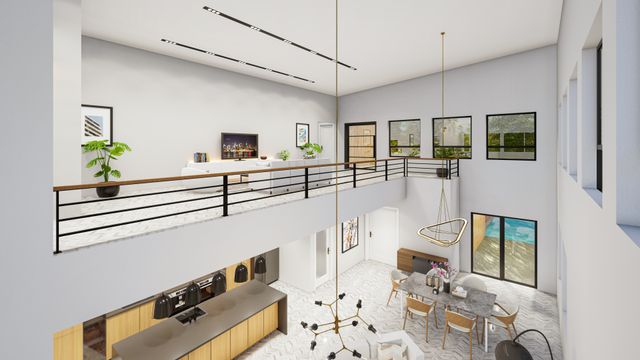
Your new home can be made to fit your unique tastes and interests in life, design, and architecture. Standard floor plans are a remarkable way to get a feel for a neighbourhood, but the most memorable homes have unique architectural features and useful surprises.
Modern home design increasingly embraces open spaces that you can use for various purposes throughout the day. To add some flair to your next project and make your house more eye-catching, check out this blog for six unique ideas.
1. Integrated Indoor-Outdoor Transition Zones
In coastal and temperate climates, the best design option is to create a space that blends your living room and garden. You can make a small building seem larger by installing large sliding glass doors and flooring that is continuous from the inside to the patio.
A great new home designs Perth location must have this kind of seamless integration to make the most of natural light and cool breezes. This design strategy isn’t only about aesthetics; it’s a lifestyle. It also promotes a more active lifestyle in which the garden occupies a second living room.
2. The “Sunken” Conversation Pit
Taking a classic element from 1960s modernism, the sunken lounge or conversation pit is making a major comeback. You’ll be able to set up the zone without walls because you have dropped a portion of the living room floor and lined it with plush seating.
Sunken lounges suit big open-plan homes even better when you want to distinguish the so-called “relaxing” area from the “dining” or “kitchen” areas. They provide a lot of architectural depth to a room and give it a unique vantage point, with the ceilings feeling even higher. It is a bold design decision that makes human connection and comfort a priority.
3. Dedicated Wellness and “Me-Time” Nooks
Making one’s home a place of wellness will rise to the top of the priority list as more and more people use their homes as offices or gyms. Design a built-in meditation nook or a light-filled yoga studio with floor-to-ceiling mirrors instead of trying to pop a generic spare room in between the first two. For maximum privacy, these spaces should be out of the high-traffic areas of the house.
Using natural materials like timber slats or stone in these areas can represent a change in mood from the rest of the house. One little “window seat” designed with extra depth and integrated shelving would be a place to read and reflect. It encompasses intentional spaces that nurture your mental and physical health.
4. Multi-Level “Void” Architecture
Voids permit light to pass between the floors of the family home, creating a visual link between the different levels of the family home. This makes the entryway or even the main living area seem like an upscale art space.
While it does sacrifice some floor space upstairs, the potential payoff in “architectural feel” is huge. Thus, to take the design to the next level, you can include a feature staircase with open treads and glass balustrades that don’t block the line of sight. In its best spot, a void makes any regular house a sculptural gem.
5. Secret “Speakeasy” Pantries and Bars
Pantries and laundry rooms no longer hide away in dark corners. Rather, designers now are using “scullery” pantries, where dirty cooking takes place away from the eyes of all guests. For a more whimsical touch, there may just be a “secret bar” behind a bookshelf or a hidden panel that provides intrigue and fun when entertaining.
The hidden rooms enable you to keep your main kitchen and living areas pristine, bare and minimal while maintaining high-level functionality. It is a practical luxury that separates the “business” from the “beauty” of the home.
6. High-Aspect Clerestory Windows
Privacy is something of a concern in modern urban developments. One viable option is to install clerestory windows, which are narrow windows set high above the roofline. Soft, diffused light fills the room, and they show views of the sky and treetops, all while remaining entirely private from neighbours.
Because they are placed high on the wall, they also free up precious floor space for furniture or artwork. They’re especially useful in bedrooms and bathrooms, where light is a necessity but privacy is most important.
Designing for a Lifetime of Comfort
All the best architectural choices are the ones that reflect your style of living while anticipating future needs. Moving from simple templates to vibrant volume, light, and flow allows you to turn a building into a home.
Use these ideas to lay a foundation for your work with builders and designers. When every room is functioning, and every window tells a narrative, you create a living environment that will inspire generations to come.