
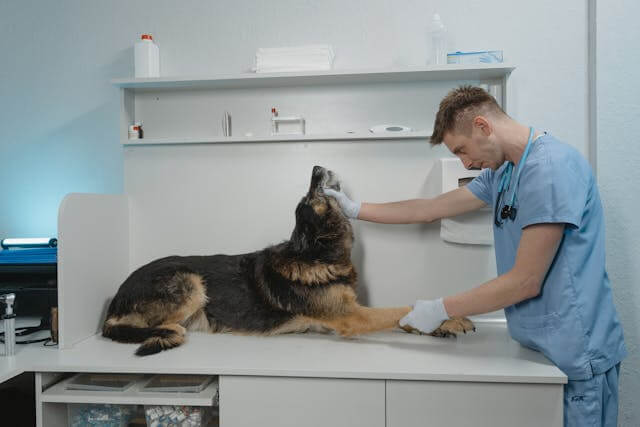
Veterinary associations play a vital role in supporting animal healthcare professionals, setting industry standards, organizing education programs, and representing the interests of veterinarians. However, managing a modern association comes with increasing administrative and communication challenges. Membership databases, continuing education records, event planning, policy updates, committee coordination, and financial reporting all require significant time and accuracy. As organizations grow, manual systems and disconnected tools often create delays, confusion, and unnecessary workload.
This is where software for vet associations becomes increasingly important. Purpose-built digital platforms help associations centralize operations, improve member engagement, and streamline communication across teams and stakeholders. Rather than relying on spreadsheets, paper records, or multiple standalone applications, veterinary organizations can manage essential functions through a single integrated system.
The growing adoption of association management technology reflects a broader trend across healthcare and nonprofit sectors. Organizations are looking for practical ways to improve efficiency while maintaining strong relationships with members. For veterinary associations, technology is no longer simply a convenience; it has become an operational necessity.
Centralizing Membership Management
One of the most valuable benefits of modern association software is centralized membership management. Veterinary associations often manage thousands of members with different specialties, licensing statuses, education histories, and renewal schedules. Tracking this information manually can quickly become difficult and error-prone.
With dedicated software for vet associations, membership records are stored in a unified database that can be updated in real time. Staff members can easily access member profiles, payment histories, certifications, and participation records without searching through multiple systems.
Automation also improves accuracy. Renewal reminders, membership confirmations, and invoice generation can be scheduled automatically, reducing the risk of missed deadlines or administrative oversights. Members themselves often gain access to self-service portals where they can update personal information, register for events, and renew memberships online.
This level of organization saves administrative time while improving the member experience. When information is easy to access and processes are smooth, members are more likely to remain engaged with the association.
Improving Communication Across the Organization
Communication is one of the most important responsibilities of any veterinary association. Members rely on timely updates regarding regulations, industry developments, conferences, training opportunities, and public health concerns. Poor communication can lead to confusion, low participation, and reduced trust.
Digital communication tools integrated within association platforms help organizations deliver information more effectively. Email campaigns, newsletters, announcements, surveys, and event notifications can all be managed from one location.
Instead of sending generic messages to every member, associations can segment audiences based on region, specialty, committee membership, or professional interests. This creates more relevant communication and increases engagement rates.
For example, a veterinary association may need to send continuing education updates only to licensed practitioners in a specific field. Using targeted messaging tools ensures the right information reaches the appropriate audience without overwhelming other members with unrelated content.
In addition, many platforms provide analytics that help associations understand how members interact with communications. Open rates, click-through rates, and survey responses offer valuable insights into what content members find most useful.
Supporting Continuing Education and Professional Development
Continuing education is essential in veterinary medicine. Professionals must stay informed about new treatments, technologies, regulations, and research findings to provide high-quality care. Veterinary associations frequently organize seminars, webinars, certification programs, and conferences to support ongoing learning.
Managing these educational activities manually can be highly complex. Registrations, attendance tracking, certificate generation, and payment processing all require careful coordination.
Using software for vet associations simplifies this process significantly. Associations can create online event registration systems, automate attendance tracking, and issue digital certificates immediately after course completion.
Some advanced systems also integrate learning management tools that allow members to access recorded webinars, educational materials, and online assessments directly through the platform. This creates a more accessible learning environment for busy veterinary professionals who may not always attend in-person events.
The convenience of digital education management also helps associations expand their reach. Rural practitioners or international members can participate remotely, increasing inclusivity and professional development opportunities across the industry.
Streamlining Event Planning and Conference Management
Conferences and networking events are major activities for many veterinary associations. These gatherings provide opportunities for education, collaboration, and industry discussion. However, organizing events involves many moving parts, including registrations, speaker scheduling, sponsorship management, venue coordination, and attendee communication.
Without integrated systems, staff members often rely on multiple spreadsheets and disconnected applications, which increases the likelihood of errors and inefficiencies.
Association management platforms simplify event administration by centralizing these functions. Event managers can track registrations in real time, manage ticket sales, coordinate schedules, and communicate directly with attendees through automated systems.
Mobile event applications are also becoming increasingly common. These tools allow attendees to access agendas, speaker information, maps, and live updates from their smartphones. This improves the attendee experience while reducing printed materials and administrative burden.
In many cases, event data can also be connected directly to member profiles, allowing associations to track participation history and identify engagement trends over time.
Enhancing Financial Oversight and Reporting
Financial management is another critical responsibility for veterinary associations. Membership dues, event revenue, sponsorships, donations, and operational expenses must all be carefully monitored to maintain transparency and sustainability.
Manual accounting systems can create reporting delays and increase the risk of mistakes. In contrast, integrated association software often includes financial tracking and reporting features that improve visibility into organizational performance.
Automated invoicing, online payment processing, and financial dashboards help staff monitor cash flow more efficiently. Board members and leadership teams can access real-time financial reports, making strategic planning and budgeting easier.
Accurate financial reporting is especially important for nonprofit and professional organizations that must maintain accountability to members, regulators, and sponsors. Digital systems help reduce inconsistencies and improve recordkeeping practices.
Facilitating Collaboration Between Committees and Leadership
Veterinary associations often operate through committees, advisory groups, and regional boards. Coordinating these teams can be difficult when communication occurs across scattered emails and disconnected platforms.
Modern collaboration tools improve organizational coordination by creating shared workspaces, centralized document storage, and structured communication channels. Committee members can access meeting materials, track action items, and collaborate on projects more efficiently.
Using software for vet associations also helps preserve institutional knowledge. Documents, policies, meeting minutes, and historical records remain organized within the system rather than being lost in personal email accounts or local devices.
This continuity becomes particularly valuable during leadership transitions. New board members and staff can quickly access previous discussions and organizational records, reducing onboarding time and improving decision-making consistency.
Strengthening Data Security and Compliance
Veterinary associations handle sensitive information, including member records, payment details, licensing data, and professional certifications. Protecting this information is essential for maintaining trust and complying with data privacy regulations.
Older systems or manual processes may expose organizations to security risks, especially if data is stored across multiple unsecured locations.
Professional association software typically includes security features such as encrypted data storage, user access controls, secure payment processing, and regular system backups. These protections help reduce the likelihood of data breaches or unauthorized access.
Compliance tools are also increasingly important as privacy regulations evolve globally. Centralized systems make it easier to manage consent preferences, maintain accurate records, and respond to compliance requirements efficiently.
Investing in secure technology infrastructure is not only a technical consideration but also a reputational one. Members expect professional organizations to handle their information responsibly and securely.
Improving Member Engagement and Retention
Long-term member engagement is one of the biggest challenges facing professional associations today. Veterinary professionals often have demanding schedules, making it difficult to maintain active participation in association activities.
Technology can help bridge this gap by creating more accessible and personalized member experiences. Self-service portals, online communities, digital resource libraries, and mobile-friendly communication tools make it easier for members to stay connected.
Associations can also use engagement analytics to identify patterns in participation. For instance, they may notice that members who attend webinars regularly are more likely to renew memberships. These insights allow organizations to develop more targeted retention strategies.
By using software for vet associations, organizations can provide members with a more convenient and valuable experience while reducing administrative barriers that discourage participation.
Supporting Strategic Decision-Making Through Data
Data-driven decision-making is becoming increasingly important in professional organizations. Veterinary associations collect large amounts of information related to memberships, events, finances, education programs, and communication performance.
When this data is scattered across multiple systems, it becomes difficult to analyze trends or make informed strategic decisions.
Integrated software platforms provide centralized reporting dashboards that help leaders evaluate organizational performance more effectively. Associations can identify which programs generate the most engagement, which events attract the highest attendance, and which communication channels produce the best response rates.
These insights support better resource allocation and long-term planning. Instead of relying solely on assumptions or anecdotal feedback, leadership teams can make evidence-based decisions that align with member needs and organizational goals.
Adapting to the Future of Veterinary Organizations
The veterinary profession continues to evolve alongside advancements in medicine, technology, and public expectations. Veterinary associations must adapt to these changes while continuing to support their members effectively.
Digital transformation is now a key part of that evolution. Associations that invest in efficient systems are often better positioned to manage growth, respond to industry challenges, and deliver consistent value to members.
Importantly, technology should not replace human relationships within associations. Instead, it should reduce administrative friction so leaders and staff can focus more on advocacy, education, collaboration, and professional support.
As remote work, virtual education, and digital communication continue to expand, the role of association technology will likely become even more significant in the years ahead.
Conclusion
Veterinary associations operate in a complex environment that requires strong organization, clear communication, and efficient administration. Managing memberships, educational programs, events, finances, and committee collaboration manually is increasingly difficult as organizations grow and member expectations evolve.
Modern software for vet associations offers practical solutions that streamline operations while improving engagement and communication. By centralizing information, automating routine tasks, and supporting data-driven decision-making, these platforms help associations operate more effectively and serve their members more efficiently.
Rather than functioning as simple administrative tools, modern association management systems have become essential infrastructure for professional veterinary organizations. As the industry continues to evolve, associations that embrace thoughtful digital solutions will be better prepared to support veterinary professionals and strengthen the broader animal healthcare community.