
Corporate gatherings cost thousands of dollars and hours of planning, but many fade from memory before the final attendee boards their flight home. With the global corporate events market projected to reach $1 trillion by 2033, the stakes for organizers are higher than ever.
A successful gathering does not happen by accident. It requires a deliberate blend of engagement, relevance, and modern tooling to keep audiences awake. The division between a landmark experience and an expensive nap comes down to execution.
The Evolution of the Keynote Stage
Audiences have lost patience for static slide presentations and monotone delivery. Modern crowds demand dynamic presentations that blend deep industry insight with interactive elements. Bringing in elite AI and technology speakers for conferences can completely shift the energy of a room. This type of specialized expertise helps professionals understand complex digital shifts without feeling overwhelmed by dense jargon.
Choosing the right voice sets the tone for your entire gathering. Audiences want real stories from the front lines of innovation, not rehearsed corporate lines. When a speaker connects with the room, the collective focus shifts from checking emails to absorbing new ideas.
Rethinking Spatial Design
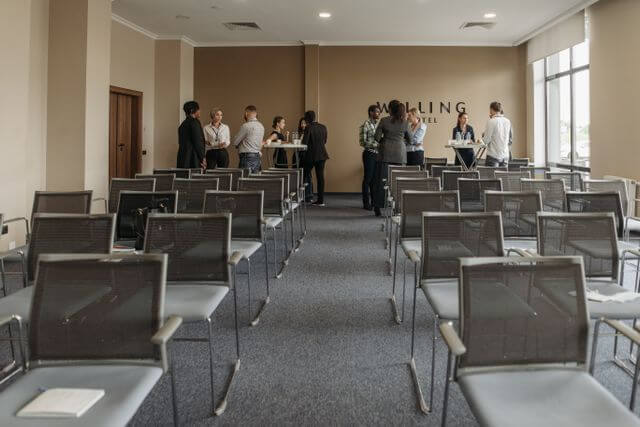
Stuffy hotel ballrooms with rows of plastic chairs are a relic of the past. Organizers are shifting toward unusual locations like theaters, museums, and historic castles to break the monotony. The environment dictates how people interact, move, and think throughout the day.
A unique venue creates a shared sense of adventure. People look around, take photos, and immediately feel like they are part of an exclusive experience. Setting the stage in an unexpected location builds natural excitement before the first presentation starts.
Crafting Intentional Networking Hubs
People rarely remember every slide from a presentation, but they remember the connections they made. Data shows that 80.6% of in-person attendees participate specifically to meet industry experts and form deeper professional bonds. Forcing people into crowded lobbies with lukewarm coffee does not count as networking.
Great events build specific spaces for conversation. These can look like quiet lounges, structured roundtable discussions, or interactive workshop zones. Giving people the physical space to talk comfortably turns passive listeners into active participants.
Revolutionizing Information Delivery
The traditional academic poster session or long-form presentation often loses the audience fast. Studies demonstrate that event attendees spend significantly more time engaging with billboard-style visual posters, rating them as much clearer. Visual simplicity helps complex data land effectively.
- Visual dashboards replace heavy text blocks
- Quick-read graphics improve overall clarity
- Interactive displays keep people standing and learning
Simplifying the way data is served ensures that information sticks. When people can consume insights at a glance, they remain energized to learn more.
Designing for Diverse Thinkers
A major flaw in traditional gathering design is the assumption that every attendee processes information the same way. Standard setups can present intense physical and mental challenges for neurodivergent participants. True impact requires an inclusive environment.
- Quiet decompression zones give overwhelmed brains a break
- Varied presentation lengths accommodate different attention spans
- Digital options assist those who struggle with crowded spaces
When you accommodate different cognitive styles, your event becomes more accessible. Inclusion ensures that every ticket holder walks away with genuine value.
Deploying Smart Event Technology
Technology should solve problems for attendees rather than create new technical hurdles. Industry metrics reveal that 85% of planners use specialized event software, while 50% leverage artificial intelligence to boost engagement. The goal is a frictionless journey from registration to exit.
Smart apps help attendees curate their own schedules and connect with peers seamlessly. When technology removes logistical friction, people can focus entirely on the content.
Hyper-Personalized Agendas
No two attendees share the exact same professional goals. AI tools can analyze attendee profiles to recommend specific tracks, workshops, and networking matches. This makes a massive gathering feel like a boutique experience tailored to the individual.
Real-Time Crowd Feedback
Waiting for post-event surveys means missing the chance to fix issues live. Interactive polling apps let organizers check the pulse of the room instantly. If a session is running too long or a room is too cold, adjustments can happen on the fly.
Curation Over Information Overload
More is not always better when it comes to scheduling. Cramming an agenda with back-to-back sessions from dawn until dusk results in mental burnout. Audiences need whitespace to think, debate, and digest what they just heard.
Ruthless curation means selecting fewer topics but exploring them with greater depth. Quality always wins over quantity when you want to leave a lasting impression.
The Power of Shared Experiences
Memorable gatherings find ways to get everyone doing something together. This does not mean awkward icebreakers that make people cringe. It means collaborative problem-solving sessions, live experiments, or collective brainstorming challenges.
When people participate in an activity together, the social barriers drop. They stop being strangers sitting in a dark room and become a community.
Transforming a temporary gathering into an ongoing community turns a single date on the calendar into a long-term resource. When attendees continue talking weeks later, you know you built something truly unforgettable.