
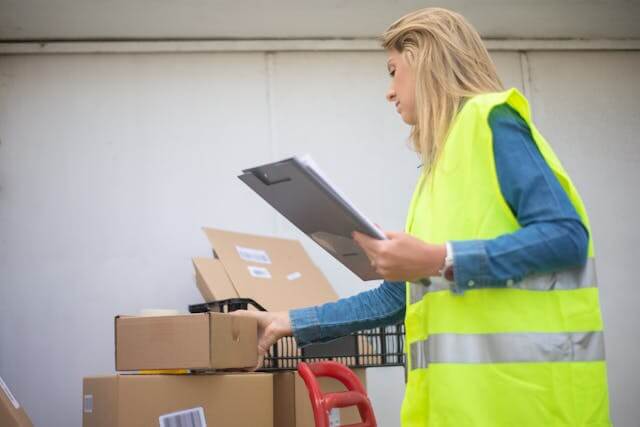
Businesses today handle more incoming and outgoing packages than ever before. E-commerce growth, hybrid work environments, and increased operational demands have created a constant flow of deliveries across offices, warehouses, and distribution facilities. Yet many organizations still rely on outdated tracking methods that create delays, inefficiencies, and unnecessary administrative burdens.
As package volume continues rising, businesses are recognizing that parcel management is no longer a minor administrative task. It has become an essential operational function that directly affects workplace productivity, logistics coordination, and customer satisfaction.
Many organizations improve operational performance with AI-powered parcel management software solutions that automate package tracking, recipient notifications, and delivery accountability.
Manual Parcel Handling Creates Operational Inefficiencies
Traditional parcel handling methods often rely on spreadsheets, handwritten logs, or email-based communication. While these systems may work temporarily, they become difficult to manage as businesses grow and delivery activity increases.
Manual parcel tracking commonly creates issues such as:
| Parcel Management Challenge | Business Impact |
| Lost or misplaced packages | Workflow disruptions |
| Manual tracking processes | Increased labor costs |
| Delayed recipient notifications | Reduced productivity |
| Limited package visibility | Accountability issues |
| Inconsistent delivery records | Security and compliance risks |
These inefficiencies may seem small individually, but they can create significant operational disruptions over time.
Efficient parcel management improves operational consistency across the entire organization.
Businesses that modernize delivery workflows often experience faster processing times and fewer operational interruptions.
Smarter Parcel Tracking Improves Workplace Productivity
Employees rely on timely deliveries for daily operations. Technology equipment, office supplies, client documents, and internal shipments all contribute to workplace efficiency.
When packages are delayed or misplaced, productivity can suffer across multiple departments.
Manual delivery coordination often forces employees to spend time:
- Searching for packages
- Following up with the administrative staff
- Waiting for delayed deliveries
- Resolving package disputes
- Managing incomplete tracking records
Parcel management software helps businesses streamline these workflows through centralized tracking and automated notifications.
Automated alerts allow employees to receive delivery updates instantly, reducing unnecessary interruptions and improving workplace coordination.
Organizations that improve package visibility often create more efficient and productive work environments.
Real-Time Visibility Strengthens Accountability
One of the biggest advantages of modern parcel management systems is real-time operational visibility.
Businesses need accurate tracking information to maintain accountability and reduce confusion surrounding package movement. Without centralized records, deliveries can easily become delayed, misplaced, or difficult to verify.
Parcel management systems improve transparency by providing:
- Real-time tracking updates
- Barcode scanning capabilities
- Digital signatures
- Delivery timestamps
- Recipient verification records
These features create a complete digital chain of custody for every package.
Operational visibility allows businesses to respond faster to delivery issues and improve accountability.
Organizations handling high package volumes particularly benefit from centralized delivery tracking because it improves coordination between departments and facilities.
Automation Reduces Administrative Workload
As businesses grow, package handling can place increasing pressure on mailrooms, front desk teams, and operations staff.
Traditional tracking methods often require employees to manually log deliveries, send notifications, and maintain paper records.
These repetitive tasks consume valuable time and create additional opportunities for human error.
Automation helps businesses reduce operational strain by streamlining package handling workflows. Parcel management software can automate:
- Delivery logging
- Recipient notifications
- Proof-of-delivery documentation
- Package status updates
- Delivery history reporting
These efficiencies allow businesses to process higher delivery volumes without significantly increasing labor demands.
Automation also improves consistency by standardizing delivery procedures across the organization.
Security and Compliance Have Become Higher Priorities
Businesses today handle a wide range of sensitive deliveries, including confidential documents, technology equipment, medical supplies, and financial materials.
Manual tracking systems may create security vulnerabilities due to incomplete records or inconsistent handling procedures.
Smarter parcel management solutions improve security through features such as:
- Access-controlled package handling
- Barcode verification
- Digital audit trails
- Recipient authentication
- Automated tracking records
These tools help businesses reduce the risk of lost packages or unauthorized deliveries while supporting compliance requirements.
Industries such as healthcare, finance, education, and legal services often require detailed delivery documentation to maintain operational accountability.
Parcel Management Supports Broader Logistics Operations
Internal package handling is closely connected to larger logistics and operational workflows.
Businesses that improve parcel coordination often strengthen efficiency across:
- Warehouse operations
- Inventory management
- Procurement workflows
- Internal distribution processes
- Freight coordination
Organizations using integrated warehouse management software platforms can further improve operational visibility by connecting inventory tracking and package movement within centralized systems.
A connected warehouse management system helps businesses coordinate incoming shipments, inventory allocation, and internal deliveries more efficiently.
This integrated operational approach reduces workflow disruptions while improving overall logistics coordination.
Scalable Operations Require Smarter Systems
As organizations grow, operational complexity increases rapidly. More deliveries, additional departments, and expanding facilities create greater pressure on internal logistics operations.
Businesses that continue relying on manual parcel handling often experience:
- Slower processing times
- Increased delivery errors
- Higher administrative costs
- Reduced operational visibility
- Lower employee satisfaction
Scalable parcel management systems help organizations maintain efficiency even as delivery volume grows.
Automation and centralized tracking allow businesses to adapt to operational growth without sacrificing accountability or workflow consistency.
Smarter Parcel Management Creates Long-Term Value
Efficient parcel handling is no longer just a convenience for modern businesses. It is an important operational strategy that affects productivity, security, and overall business performance.
Organizations that invest in smarter parcel management systems often reduce operational inefficiencies, improve package visibility, and strengthen cross-departmental coordination.
As delivery demands continue increasing across industries, businesses that modernize internal logistics operations will be better positioned to improve efficiency, support scalable growth, and maintain stronger operational control in increasingly complex workplace environments.