
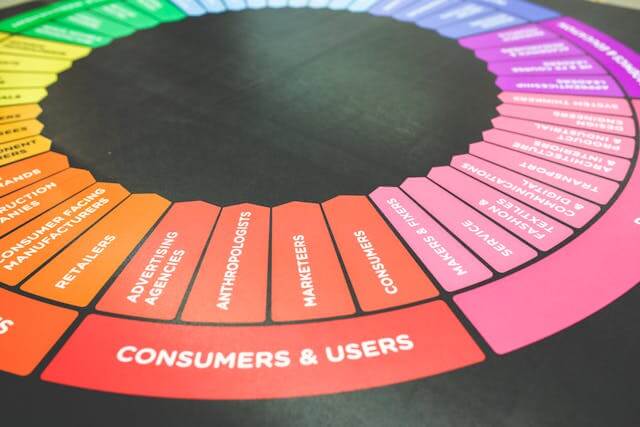
Finding the right audience used to be much simpler. A company could buy ad space, launch a television commercial, or throw money into broad digital campaigns and expect a decent return. That approach is fading fast. Consumers now pay attention to authenticity, alignment, and trust. They want to see brands connect with personalities, creators, and businesses that actually make sense together. That shift is exactly why brand matchmaking services have become such a major part of modern marketing strategy.
Brand matchmaking is the process of connecting companies with influencers, media platforms, creators, complementary businesses, or strategic partners that fit their goals, audience, and image. Think of it as business chemistry. The wrong partnership can feel awkward and forced. The right one can create momentum that traditional advertising struggles to achieve.
Companies are starting to realize that visibility alone is not enough anymore. Relevance matters more. A brand matchmaking service helps businesses avoid expensive guesswork while creating partnerships that feel natural to consumers instead of looking like another obvious ad campaign trying too hard to be cool on the internet.
The Trust Factor
People are skeptical of advertising now. That is not cynical, it is reality. Consumers scroll past generic promotions every day without even registering them. What still grabs attention is recommendation-driven marketing and strategic association.
When a fitness brand partners with a respected wellness creator who genuinely aligns with its values, consumers notice the difference immediately. The same applies when a luxury home brand collaborates with an architect known for timeless design rather than chasing random viral attention.
For example, Yeco is well known for helping businesses identify strategic partnerships that feel aligned instead of manufactured. Companies benefit because the collaboration already makes sense before the campaign even launches.
Strong brand matchmaking also protects reputation. Businesses that attach themselves to the wrong personalities or poorly aligned campaigns can damage credibility overnight. Consumers are quick to spot partnerships that look transactional instead of authentic. Nobody wants their marketing campaign to feel like a celebrity reading cue cards while mentally checking out.
Audience Alignment
A large audience does not automatically equal the right audience. This is where many companies waste massive amounts of money. A creator with five million followers may drive less meaningful engagement than someone with a highly focused audience of fifty thousand loyal followers.
Brand matchmaking services study overlap between demographics, interests, buying behavior, and public perception. They look at whether two entities naturally fit together instead of forcing a connection based purely on reach.
For example, a premium travel company targeting affluent professionals may gain more value partnering with a niche financial podcast than a mainstream entertainment creator with a much larger following. The audience alignment is simply stronger.
This level of precision matters because modern marketing has become incredibly fragmented. Consumers exist inside micro-communities now. Different groups trust different voices. The era of one-size-fits-all advertising is fading quickly.
A good matchmaking service understands these audience ecosystems and helps brands enter them in ways that feel credible rather than intrusive.
Strategic SEO Benefits
Many businesses still underestimate how much strategic partnerships affect search visibility. Brand matchmaking is no longer just a public relations exercise. It can influence organic traffic, digital authority, and long-term discoverability.
Collaborations often generate backlinks, mentions, interviews, guest features, and social engagement that strengthen online visibility naturally. Search engines pay attention to brand authority signals, especially when respected platforms and personalities consistently reference a business.
This becomes especially valuable for companies already investing heavily in digital growth strategies and hiring an enterprise SEO company to improve long-term rankings. The strongest SEO campaigns now blend technical optimization with authority-building partnerships that generate real visibility across multiple channels.
Search engines have become better at evaluating brand legitimacy over time. They recognize when businesses are being discussed organically across trusted platforms instead of existing inside isolated advertising bubbles. Brand matchmaking contributes to that broader digital footprint.
There is also a practical side to this. Partnerships create additional content opportunities without forcing companies to endlessly produce every piece of content internally. Podcasts, interviews, collaborative articles, webinars, and creator campaigns all contribute to broader online presence while keeping marketing fresh.
Avoiding Costly Mistakes
One overlooked advantage of brand matchmaking services is risk reduction. Businesses often underestimate how expensive a poorly planned partnership can become.
A mismatched collaboration does more than waste money. It can confuse consumers, dilute brand identity, and create public backlash. Some companies chase trends so aggressively that they lose sight of their own positioning entirely. Consumers notice when a partnership feels desperate or random.
Good matchmaking services act as filters. They evaluate tone, public reputation, audience overlap, long-term goals, and compatibility before recommending partnerships. That process prevents companies from entering collaborations that may look exciting initially but create problems later.
This becomes especially important in influencer marketing, where follower counts alone can be misleading. Engagement quality, audience trust, and public perception matter far more than vanity metrics.
A creator with artificially inflated numbers or inconsistent messaging can create significant damage for brands trying to build trust. Strategic matchmaking reduces those risks by focusing on long-term compatibility rather than surface-level popularity.
Long-Term Brand Growth
The most successful partnerships rarely feel temporary. They evolve naturally because the alignment already exists. Consumers respond better to ongoing relationships than one-off sponsored campaigns that disappear after forty-eight hours.
This is where brand matchmaking shifts from marketing tactic to business strategy. Companies begin building ecosystems rather than isolated campaigns. Strategic partnerships create repeated exposure, stronger audience familiarity, and more stable brand identity over time.
Businesses that understand this tend to outperform competitors chasing short-term attention spikes. Consistency builds trust. Repeated positive association builds recognition. Eventually, audiences begin linking certain brands together automatically because the relationship feels established and believable.
That type of brand equity is difficult to buy through traditional advertising alone. It develops through repeated alignment, strategic visibility, and partnerships that actually make sense to the audience watching them.
Brand matchmaking services exist because modern consumers are far more selective about who they trust and what they pay attention to. Companies need more than visibility now. They need alignment, credibility, and partnerships that feel natural to the people they want to reach.