
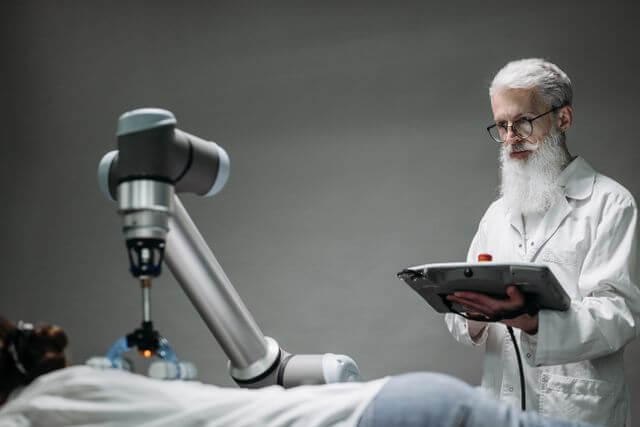
The choice of technology can play a major role in how quickly the body heals and regains its strength. Robotic systems are now at the forefront of this evolution, providing a level of precision that was previously difficult to achieve through traditional methods. This article explores how a specialist using these advanced tools can improve your post-operative experience and long-term health outcomes.
The Precision of Robotic Assistance in Surgery
The advantage of using a robotic system during a procedure is the incredible level of accuracy it provides to the specialist operating. These systems translate the surgeon’s hand movements into smaller actions inside the body, which reduces the impact on surrounding healthy tissues. This control allows for the removal of issues with a small disruption to the delicate structures that support a quick recovery.
Minimising Physical Impact Through Smaller Incisions
Traditional surgical methods require larger openings to allow the surgeon to work, which can lead to scarring. In contrast, a robotic specialist utilises much smaller points of entry, which are often referred to as ‘keyhole incisions’, to perform the necessary tasks. Smaller incisions also lead to a reduction in the amount of blood lost during the procedure, which contributes to a more stable recovery immediately.
Reducing Post-Operative Pain and Discomfort
Managing pain is a top priority for anyone undergoing surgery, as it directly affects how soon you can get back on your feet. Because robotic procedures are less invasive, the level of pain experienced after the operation is typically much lower. Many individuals find that they require fewer doses of strong pain medications, which helps avoid the side effects often associated with long-term pharmaceutical use.
Shortening the Duration of Hospital Stays
One of the benefits of a robotic myomectomy specialist in Melbourne, for instance, is the reduction in the amount of time you need to spend in a clinical space. Because the body heals faster from smaller incisions and less internal trauma, many patients can return home much sooner. Being in your own space contributes to a positive mental outlook, which is a factor in the body’s natural ability to heal itself.
Accelerating the Return to Normal Activities
For most people, the goal of any surgery is to return to work, exercise, and social engagements. The nature of robotic-assisted surgery means that the total recovery timeline is compressed, allowing for a faster return to your regular responsibilities. You may find that you can resume light household tasks or office work within a shorter window of time compared to traditional surgical recovery periods.
Lowering the Risk of Post-Surgical Infections
Keeping the surgical site clean and free from infection is a vital part of a successful recovery. Smaller incisions are much easier to manage and have a lower surface area exposed to the environment, which naturally reduces the likelihood of complications during the healing process. Specialists who perform procedures follow strict protocols that create a very controlled and safe surgical space for every patient.
Achieving Better Long-Term Functional Results
Robotic-assisted surgery leads to better functional outcomes because the specialist can preserve more of the natural anatomy. By targeting only what needs to be addressed, the specialist ensures that the surrounding organs and tissues continue to function effectively after the healing is complete. This focus on health means that you are setting the stage for a healthier future with fewer long-term side effects.
Embracing Advanced Care for a Brighter Recovery
The choice to work with a specialist who understands the nuances of robotic surgery is a step towards a comfortable healing experience. By leveraging these modern tools, you can decrease the time spent in recovery and increase the time spent enjoying the activities that matter most to you. Taking advantage of these leaps ensures that your health journey is supported by the best in medical innovation.