
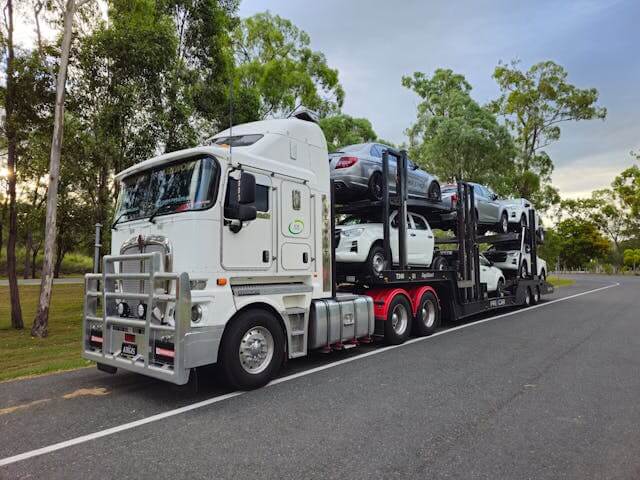
Moving a vehicle across the country involves a complex logistical process that requires careful planning. Understanding the primary drivers behind these price fluctuations allows you to make an informed decision and find a service that fits your budget. This article explores the factors that determine the final price of long-distance vehicle relocation so that you can plan your move with complete confidence.
1. Distance and the Specific Route Taken
The most obvious factor impacting the journey’s total price is the distance between your pickup point and end location. Plenty of comparisons on popular routes between major capital cities, where the same highway sees many carriers travelling by each day, will mean options are affordable. If you are relocating a vehicle to further regional areas, this will most likely incur an increased cost due to additional fuel.
2. Vehicle Size and Total Weight
A good part of the way your car consumes space on a multi-car carrier, and its impact on fuel consumption, has to do with its physical size. It means that you’ll find a small hatchback is cheaper to ship than a large four-wheel drive. Heavy vehicles need more power to get them moving, but they are also restricted by strict weight regulations on how many cars a driver is allowed to legally carry at once.
3. Choosing Between Open or Enclosed Transport
You have the choice of several different methods for moving your car, and each option comes with a different price point. Open-car carriers, like the Interstate Car Transport Adelaide services, are the most cost-effective choice for standard daily drivers. If you own a luxury or high-value sports car, an enclosed trailer protects the paintwork from road debris and various weather conditions during the trip.
4. Current Fuel Prices and Levies
The cost of diesel is a variable in the transport industry and can cause prices to fluctuate from month to month as global oil markets change. Most transport companies include a fuel surcharge that adjusts based on the current price at the pump to ensure their operations remain sustainable and reliable. When fuel prices are high, the cost of moving a heavy truck across vast distances naturally rises.
5. Seasonal Demand and Timing
The time of year you choose to move your vehicle can have a surprising impact on the availability of carriers. During peak holiday seasons or at the end of the financial year, demand for car relocation spikes as people move for work or go on extended vacations. During these busy periods, slots on transport trailers fill up, which can lead to higher prices for those who need a guaranteed spot on a specific date.
6. Vehicle Condition and Operability
Whether your car can be driven onto the transport trailer or needs to be winched on with special equipment will affect the labour. A non-running vehicle requires care and tools to load and unload safely without causing any damage to the car. Most standard quotes assume that the vehicle is in good working order and can be moved under its own power by the transport driver during the loading process.
7. Pickup and Delivery Locations
Meeting the transport truck at a large, open depot is cheaper than requesting a door-to-door service. Large multi-car carriers are difficult to manoeuvre in tight suburban areas, so drivers have to use smaller shuttle trucks to complete the final leg of the journey to your home. Choosing a depot-to-depot service is the best way to move your car if you have the means to drop off and pick up the vehicle yourself.
Navigating the Costs of Moving Your Car
Knowing that while distance is a major factor, things like vehicle size, transport method, and seasonal demand all play a role in the total expense. By considering these variables and planning your move, you can find a balance between cost and convenience that works for your specific situation. Taking the time to compare your options ensures that your car reaches its destination safely and efficiently.